The Relationship Grid: Why Couples Keep Having the Same Fight in Different Outfits
Most couples don’t come into therapy saying:
“We are trapped in adaptive survival patterns shaped by attachment wounds and nervous system protection.”
They say:
“They shut down.”
“Nothing I do is enough.”
“We keep having the same fight.”
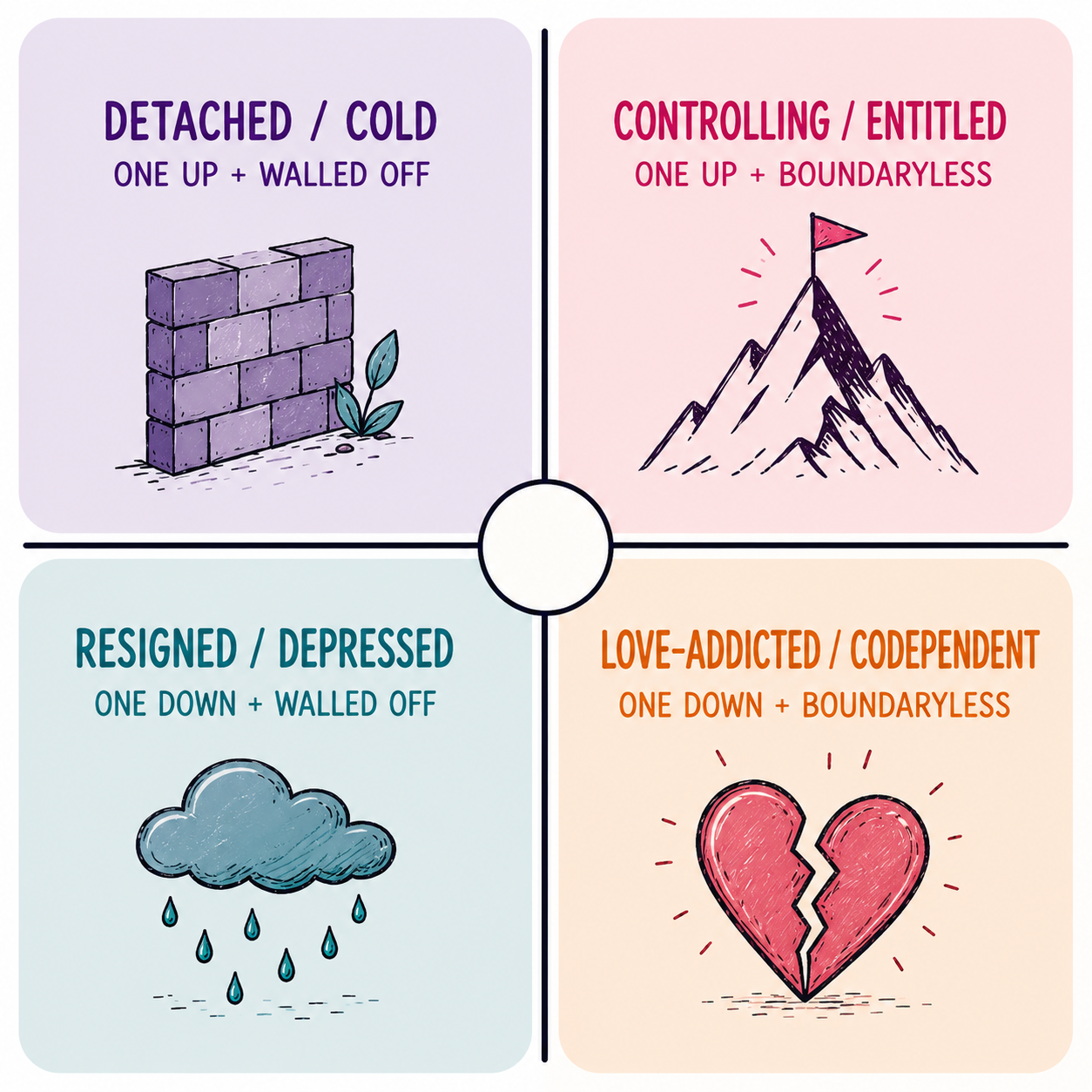
Different words. Same exhausted nervous systems. One of the frameworks I often use in couples therapy is the Relationship Grid from Relational Life Therapy (RLT). Not because humans fit neatly into boxes, but because the grid helps people understand the protective patterns underneath conflict. Once couples can see the pattern, they stop spending quite as much energy trying to prove the other person is the villain.
What Is the Relationship Grid?
The Relationship Grid is built on two core relational spectrums:
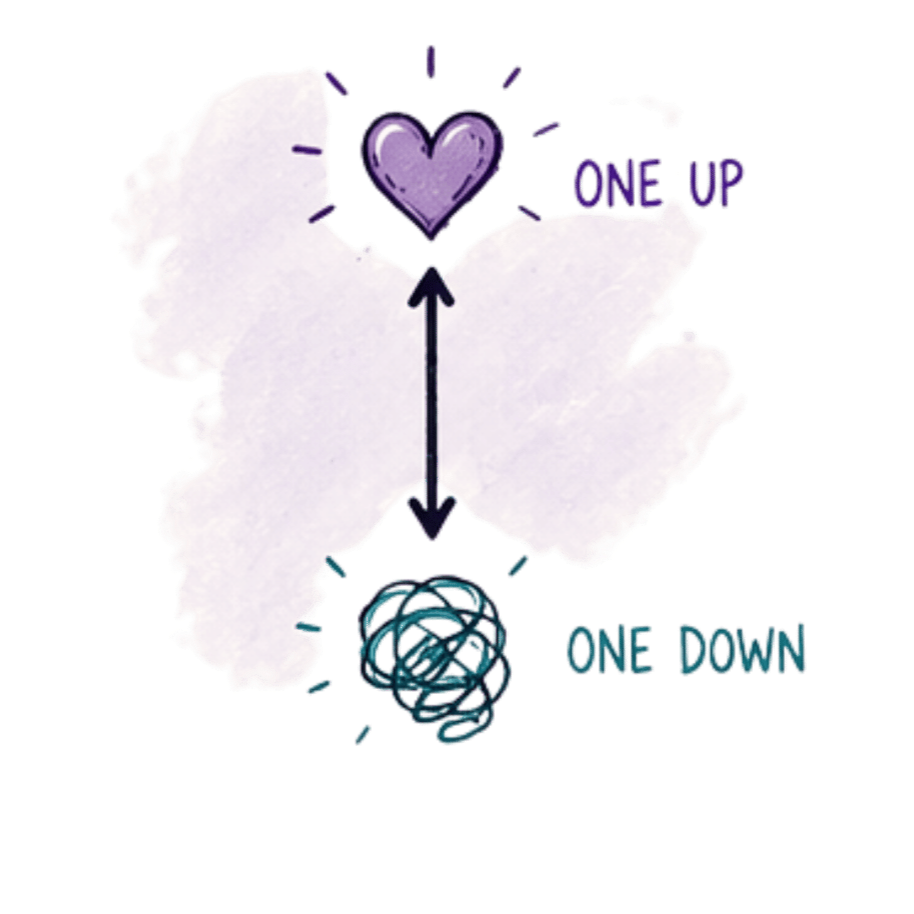
#1. One-Up ↔ One-Down
This is the spectrum of grandiosity and shame.
↑One-up energy says:
“I’m right.”
“I know better.”
“I don’t need anyone.”
“You’re the problem.”
This can look like criticism, certainty, emotional superiority, defensiveness, withdrawal, controlling behavior, or passive-aggressive distance. Underneath it? Usually fear, vulnerability, helplessness, grief, or shame.
↓One-down energy says:
“I’m too much.”
“I’m not enough.”
“Please don’t leave.”
“If I make everyone okay, maybe I’ll be okay too.”
This can look like apologizing constantly, over-accommodating, collapsing, people-pleasing, anxiety, resentment, or losing yourself in relationships. Underneath it? Also fear. Different costume. Same nervous system alarm.
#2. Walled-Off ↔ Boundaryless
The second spectrum is about how people protect themselves in relationships.
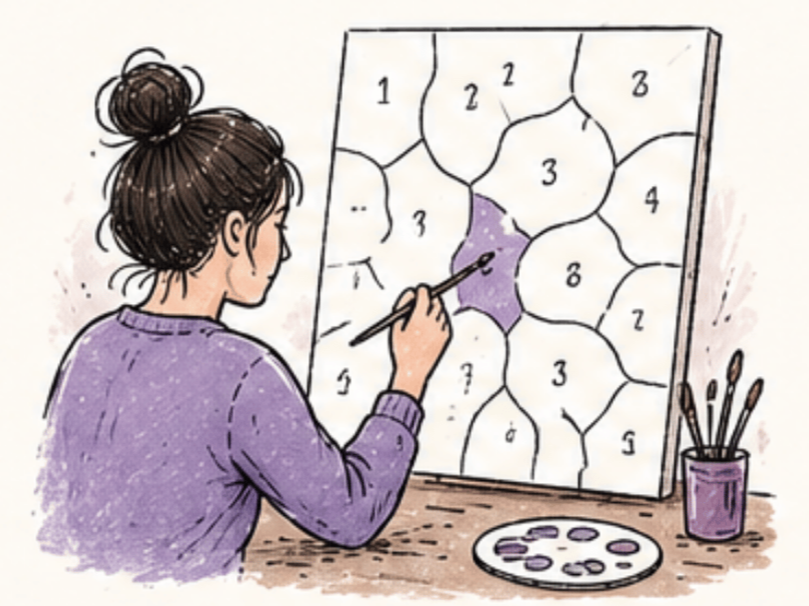
Walled-Off
Walled-off people often learned:
closeness is overwhelming
vulnerability is dangerous
dependence leads to disappointment
emotions should be controlled, hidden, minimized, or managed privately
So they protect themselves through:
withdrawal
intellectualizing
emotional distance
shutdown
avoidance
self-sufficiency
This is the person saying: “I just need space.” while their partner hears: “You don’t matter to me.”
Boundaryless:
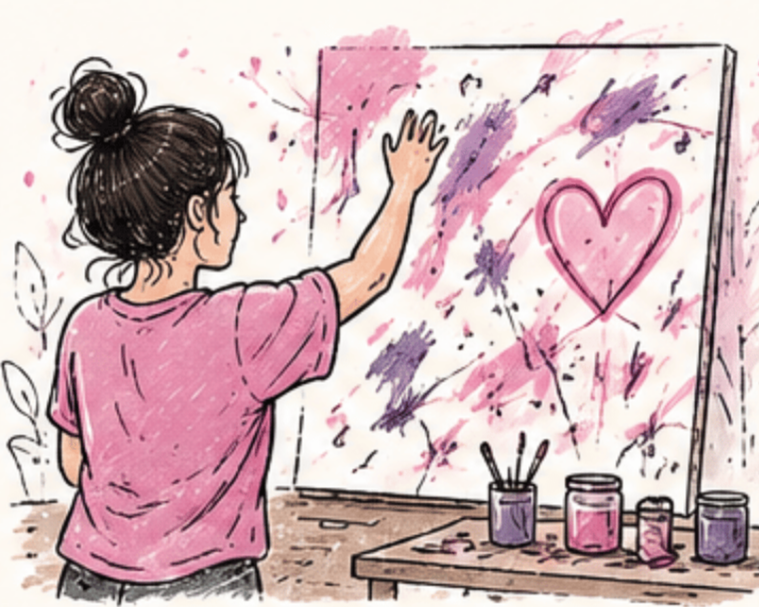
Boundaryless people often learned:
connection must be maintained at all costs
distance feels dangerous
attunement equals safety
love must be earned through giving, fixing, pursuing, or anticipating
So they protect themselves through:
over-functioning
pursuing
fixing
emotional intensity
caretaking
hypervigilance
This is the person saying: “Can we please just talk about this?” while their partner hears: “I am coming toward you with the emotional intensity of a tactical operation.”
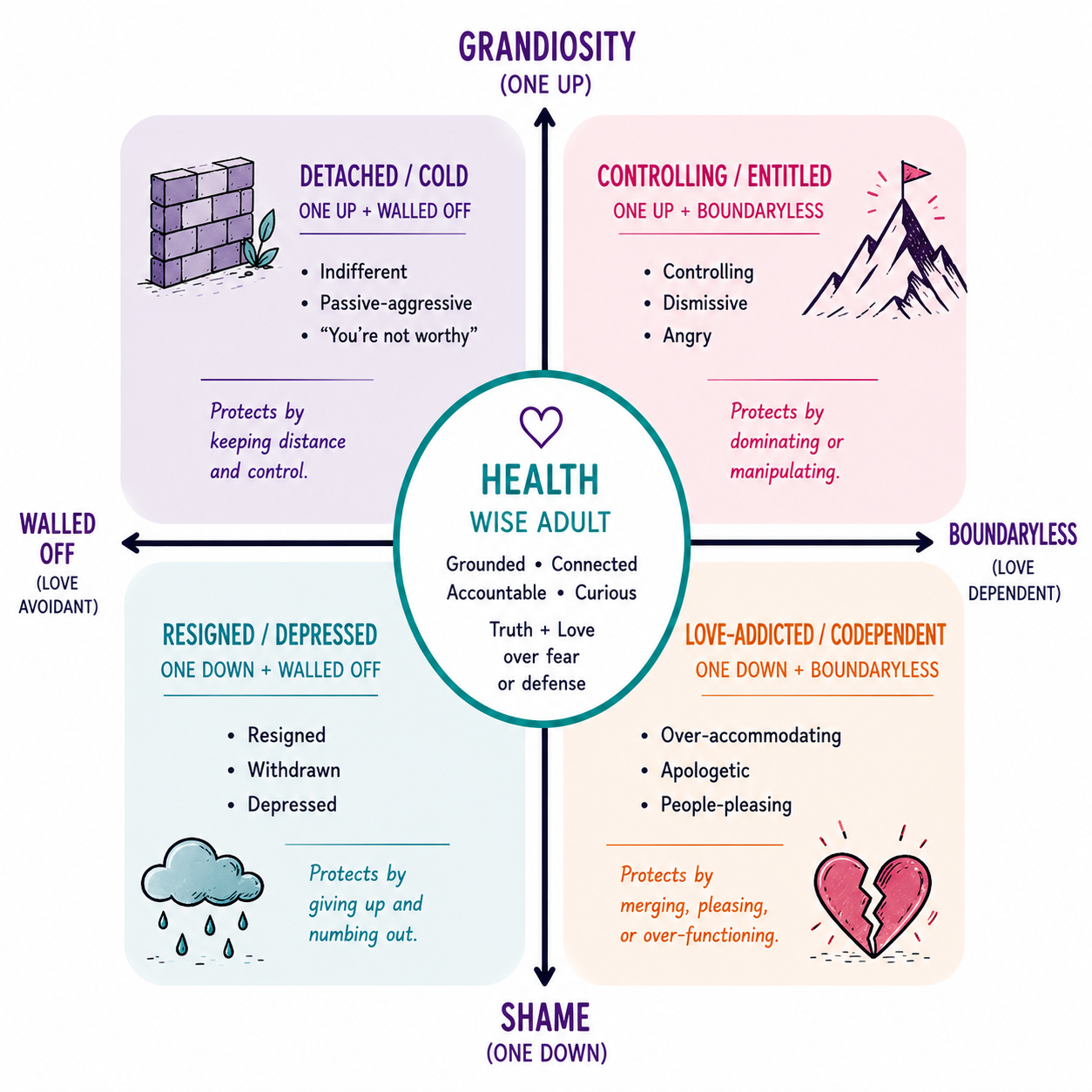
The Four Common Positions on the Grid
One-Up + Walled-Off (Detached / Cold)
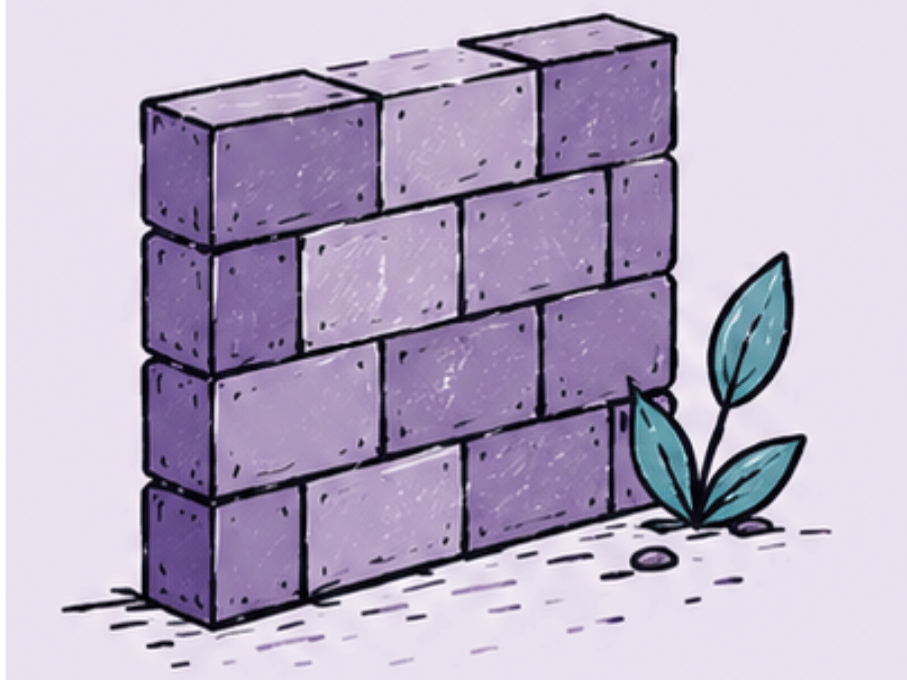
Protects through withdrawal, distance, superiority, or emotional shutdown.
Often looks like:
disengaging
intellectualizing
emotional flatness
passive-aggressive distance
Underneath is often shame, fear, criticism, sensitivity, or helplessness. The wall becomes protection.
One-Up + Boundaryless (Controlling / Entitled)
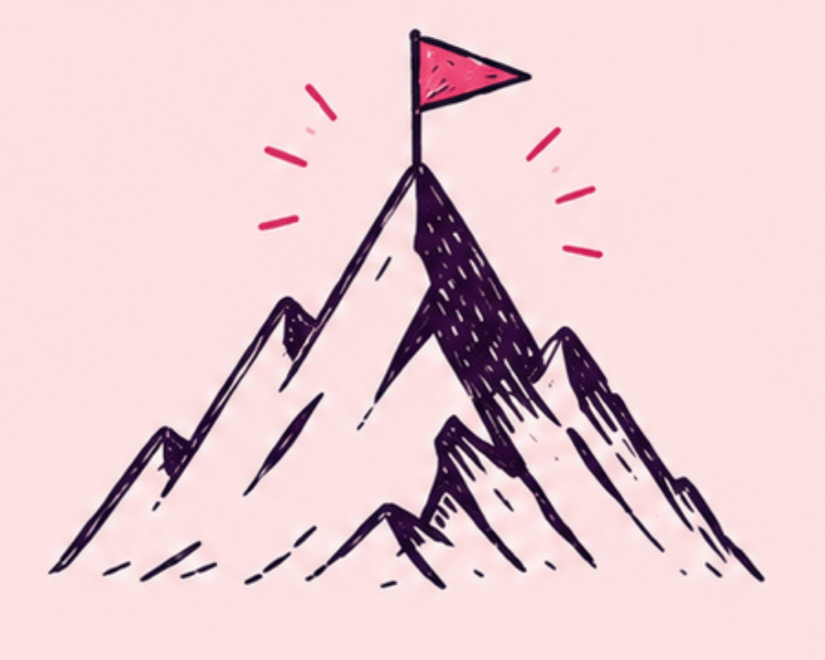
Protects through control, intensity, certainty, or dominance.
Often looks like:
escalating quickly
micromanaging
interrupting
overpowering conversations
Underneath is often panic and fear. “If I stop managing this, everything falls apart.””
One-Down + Walled-Off (Resigned / Withdrawn)
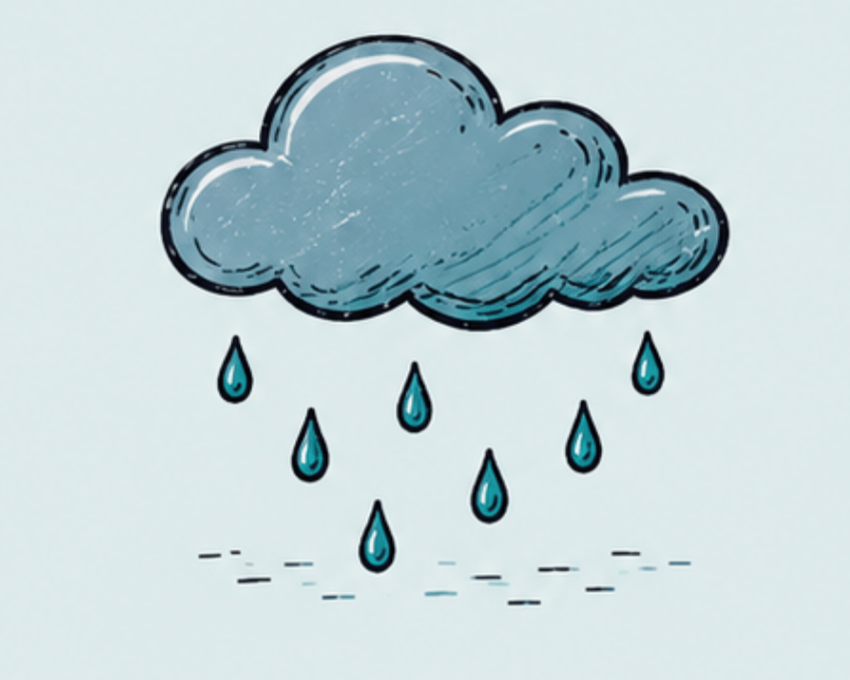
Protects through collapse, withdrawal, hopelessness, or emotional numbing.
Often looks like:
giving up
avoiding conflict
shutting down
disappearing emotionally
Less: “I don’t care.” More: “I stopped believing my needs mattered.”
One-Down + Boundaryless (Love-Addicted / Codependent)
Protects through pleasing, rescuing, merging, and self-abandonment.
Often looks like:
over-giving
apologizing constantly
tracking everyone else’s emotions
struggling with boundaries
Many people in this position learned early that connection and pain arrived together.
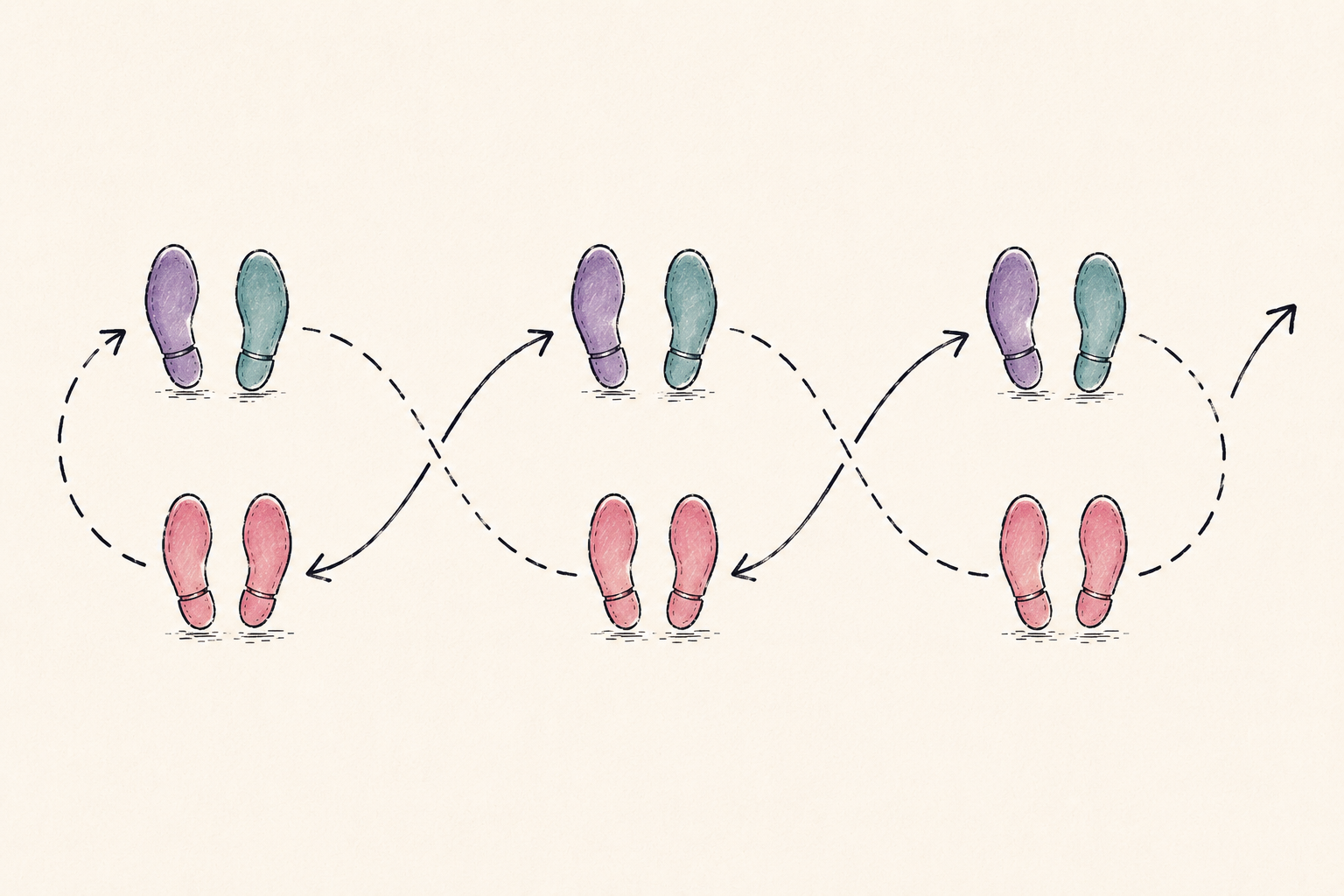
The Stance-Stance-Dance
One of the reasons couples get stuck is because protective strategies tend to activate opposite protective strategies.
For example:
One partner fears abandonment. So they pursue harder.
The other fears engulfment or criticism. So they withdraw.
The withdrawal increases panic. So the pursuit intensifies.
The intensity increases shutdown. So the withdrawal deepens.
And suddenly two people who deeply love each other are standing in a kitchen arguing about dishwasher loading techniques like it is an international hostage negotiation.
The issue is rarely just the dishes.
The issue is what happens inside each person while the dishes are happening.
suddenly feel unsafe.”

Final Thoughts
Many couples spend years arguing about the surface content of conflict while never fully understanding the protective system underneath it.
The Relationship Grid helps slow the moment down enough to ask:
What is each person protecting?
What feels dangerous here?
What happens inside each partner during closeness, conflict, distance, disappointment, or vulnerability?
What survival strategies made sense once, but are hurting the relationship now?
Because most relationship conflict is not happening between “the good partner” and “the bad partner.”
It is happening between two nervous systems trying very hard not to get hurt.
And sometimes the first real shift in therapy is simply helping both people finally see the dance.