Why Some Women Don’t Respond to the Usual Couples Therapy Interventions
Some grandiosity protects privilege. Some grandiosity protects survival.
In couples therapy we often use the word grandiosity to describe the partner who takes over the room.
The one who speaks with conviction and moral certainty.
The one who interrupts, corrects, pushes, and sometimes talks down to their partner.
In heterosexual couples, that partner is often a man. And most therapy models have a familiar script for that dynamic.
Grandiosity protects shame.
The therapist invites vulnerability.
The stance softens.

But something different often happens when the partner holding that stance is a woman.
The same script doesn’t quite work.
Because for many of these women, their grandiosity doesn’t feel good. It doesn’t feel powerful.
It feels necessary.
Without it, they risk disappearing.
When Power Is Actually Armor
The women I’m talking about often enter therapy forcefully. They are articulate about what is wrong in the relationship. They challenge their partner. They push for accountability. They sometimes talk over him or refuse to let things slide.
From the outside, it can look like domination.
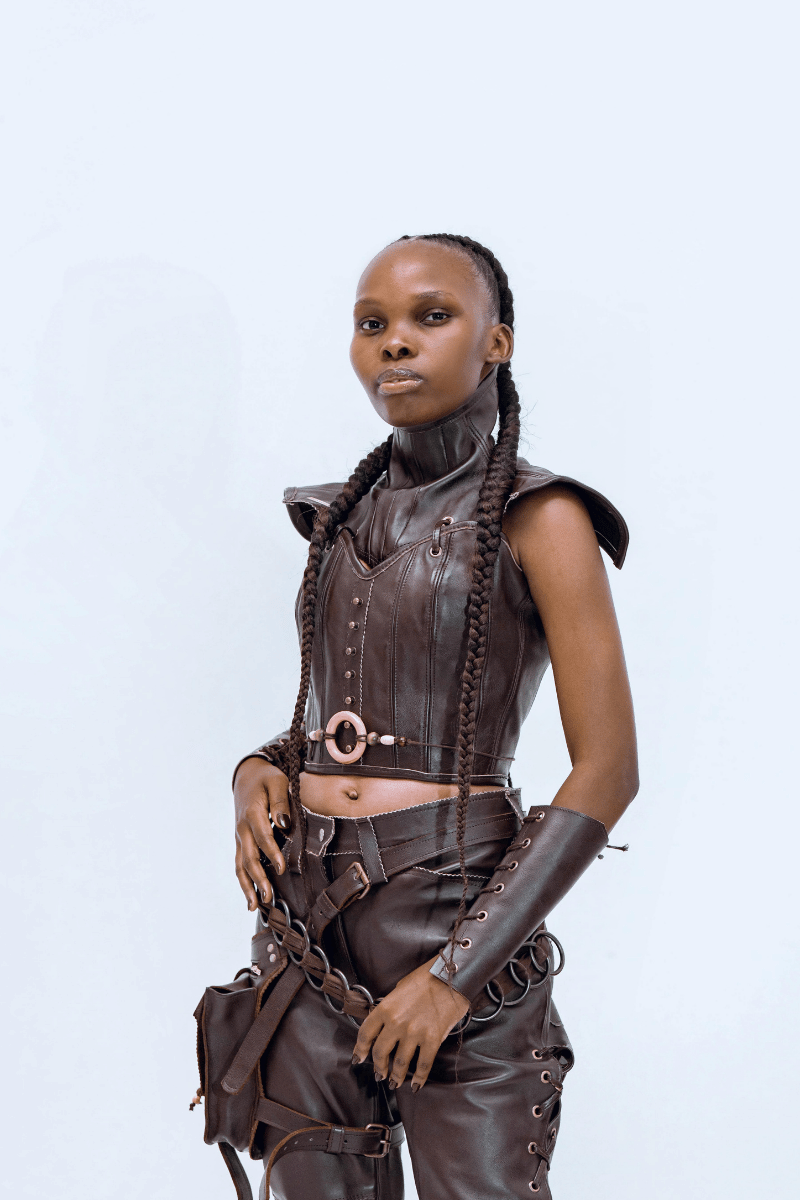
But inside the experience of many of these women, the stance is not a comfortable throne. It’s armor.
Because without it, they feel in danger of losing themselves.
Not just emotionally, but psychologically, socially, politically, and sometimes literally.
For many women, losing their voice historically meant losing safety.
So when they come into therapy unwilling to soften or step down from their position, what we are often seeing is not someone enjoying power.
We are seeing someone who learned that power was the only way to survive.
The Risk Is Not the Same
Therapists often talk about “one-up positions” as though both partners are playing the same game.

But the risk underneath those positions is not the same.
Many men fear humiliation, rejection, or being emasculated by their partner.
Many women fear being overpowered by men.
Those are not equivalent fears.
Across cultures and history, women have learned that being overpowered can mean violence, exploitation, or the loss of autonomy. That learning sits not just in personal history, but in collective memory.
So when a woman holds a strong, morally certain stance in therapy, the cost of letting go of that stance can feel enormous.
From the outside it may look like control.
From the inside it often feels like self-protection.
A Couple in the Room
Imagine a couple sitting in front of you.
She speaks quickly and with intensity. She interrupts him when he minimizes something she experienced as hurtful. She insists on being clear about what happened and what she expects.
He grows quieter as she speaks. Eventually he shuts down or becomes defensive.
To an outside observer, she looks domineering. He looks patient.
But as the session unfolds, a different picture emerges.
She grew up in a family where women’s voices were routinely dismissed. Her mother survived by staying quiet. Her grandmother survived by staying married no matter what.
She learned something different: if she wanted to be safe, she had to be loud.
Meanwhile, he experiences her intensity as relentless criticism. The louder she gets, the more he shuts down. The more he shuts down, the more she escalates.
Now both of them feel trapped.
If we treat her stance simply as grandiosity that needs to soften, we miss the function of the strategy.
And we risk reinforcing the very dynamic she has spent her life fighting against.
When the Usual Interventions Backfire
Many therapy models respond to grandiosity by challenging it.
We ask the person to soften.
To listen more.
To step down from the one-up position.
But if we do this too quickly with women whose stance developed around survival, we run into a wall.
Because what we are really asking is:
Can you lower the armor that has protected you your whole life?
That request cannot happen in the same way it might with someone whose grandiosity protects privilege rather than safety.
Disempowered Grandiosity vs Privileged Grandiosity
This is where therapists often need to recalibrate.
Not all grandiosity is the same.
There is privileged grandiosity, which protects power and avoids vulnerability.
And there is disempowered grandiosity, which developed as protection against erasure, exploitation, or harm.
Both can create painful cycles in relationships. Both can lead to one-up battles that keep couples stuck.
But the function of the behavior is fundamentally different.
And if we treat them as identical, we keep getting stuck with these couples.
A Different Kind of Work
When a woman’s grandiosity comes from survival, the work is not simply asking her to step down from the stance.
First we have to acknowledge the reality that shaped it.
Her relationship history.
Her family dynamics.
Her cultural and social context.
The broader political landscape women live inside.
All of that enters the therapy room whether we name it or not.
Only when that reality is held can the question of letting go of the armor even begin to make sense.
Because real change doesn’t happen when someone is forced to drop their defenses.
It happens when they no longer need them.
Why This Matters
When therapists treat all forms of grandiosity the same way, we often end up in predictable loops.
We challenge the stance.
She doubles down.
He withdraws or retaliates.
The cycle escalates.
But when we differentiate between power used to maintain privilege and power used to prevent erasure, the work becomes much clearer.
The stance may still need to soften.
But the path toward that softening is different.
Because the cost of letting go is different.
Even when grandiosity comes from survival, it still isn’t relational and it still needs to be addressed. But once we recognize what it was protecting, the work stops being about shutting it down and starts being about helping it loosen its grip.